

Do you currently have an idea that’s been sitting in the back of your mind? You don’t know where to go and how to start? I’ve been there quite consistently. That was the same mindset with Marc Randolph and Reed Hastings – the founders of Netflix. That Will Never Work is an amazing book which describes how this iconic streaming platform started from an idea in a Volvo and a scribble on a napkin followed by numerous people telling Marc that it will never work. His wife included.
This is a highly recommended book not just for learning about the journey of a startup but how the behaviour, culture, and team of incredible people created an iconic platform which has probably been used at some point by most of you reading this. In so doing it gives lessons in what not to do, how not to treat people/companies seemingly smaller than you to avoid a repeat of the firm Blockbuster.
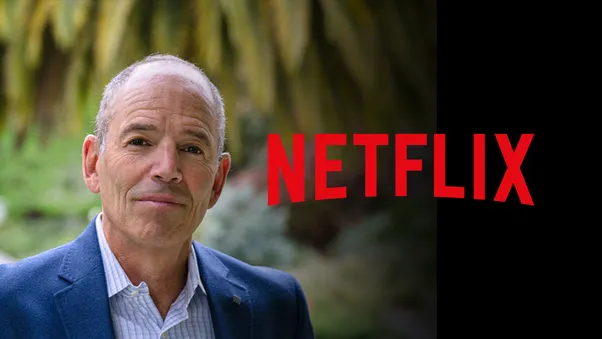
An Idea
Most great ideas are often just rethinking a new way to use an existing technology. Netflix started out with DVD rentals. This is when DVDs were new on the market with very few people owning a DVD player. The idea of renting out DVD’s similar to Blockbuster’s VHS but with no late fees was a shift in the rental market.
A big principle of what became to be called Netflix was to serve the customer. This was rather different to Blockbusters “managed dissatisfaction”. – you keep the customer just happy but penalise them wherever you can for breach of contract to make money.
DVDs by mail was not an idea without challenges. Postage costs, holding stock, ensuring a smooth mailing process were a few of the operational difficulties right at the start. It required consistently working these problems with an excellent team. Many of whom had worked with Marc at Pure Atria.
This team’s dog headed insistence in solving problems and coming up with solutions moved a startup to scale and viability. This is what it’s going to take in any startup. It will never work…. until it does.
“Teamwork makes the dream work”
When a company is small, trust and efficiency go hand in hand. If you’ve got the right people on your team, you don’t need to tell them exactly how you want them to do things – in fact, you often don’t even need to tell them what you want them to do. You simply need to be clear about what you want to accomplish and why it’s important. If you hired the right people – smart, capable, trustworthy – they’ll figure out what needs to be done, and they’ll go ahead and do it. They’ll solve problems on their own before you even know the problems exist.
And if you didn’t hire the right person? It’ll be apparent, really quickly.
Randolph, Marc. That Will Never Work: The Birth of Netflix by the first CEO and co-founder Marc Randolph (pp. 193-194). Octopus. Kindle Edition.
This type of management style is effective for highly talented and creative teams which are common in startups. In my opinion when you get to a stabilised size, much bigger, more about maintaining/improving operations, you need to employ a combination of manager skills which include management itself, coaching, training and mentoring.
With that there will always be change. That’s inevitable as a startup scales. Normally a startup hires a workforce in the beginning to launch a product or service. This team may have employees who are jacks-of-all-trades.
But as you grow and it becomes necessary to make the business operationally resilient in the face of investor demand, sometimes cutting headcount is a consideration. Sometimes the people you needed at the beginning may not serve the business’s requirements now. In the dot com bubble and crash, Netflix were still burning through cash after a series D fundraise.
This is one of the facts of startup life: change. When you’re building something from nothing, you rely on talented, passionate generalists: people who can do a little bit of everything, who buy into the mission, and whom you trust with your time, money, and ideas. But once you’ve gone from 0 to 1, and the seed you’ve planted is starting to grow, some shuffling happens. Often the person who was right for the job at the beginning is not right for the middle. Sometimes bringing in people with decades of experience and institutional know-how is the necessary thing to do.
Randolph, Marc. That Will Never Work: The Birth of Netflix by the first CEO and co-founder Marc Randolph (pp. 202-203). Octopus. Kindle Edition.
As much as this happens in Startups it happens a lot too in stabilised large businesses as the market changes and new challenges emerge. I’ve experienced this first hand.
In a previous job I was initially hired to improve the governance around a process and be an expert in a field where it was felt that the role spanned across the service line. After a few years in improving this, maintaining it and ensuring some form of compliance, the role was felt to no longer be as relevant now than it was initially.
I don’t blame them at all, and to be honest I actually agreed with the firm. The environment will change; requirements will change and perhaps the way I was doing things wasn’t really right for the business anymore.
As sad as I was to be leaving, I completely understood and I hope they knew that. This is in my opinion a part of work. Rather than take it personally, see it for what it is. You can adapt and maybe upskill yourself to meet new requirements, you can also push back really hard (which never sets a good impression), or you can adapt to the change itself and be a leader in recognising the wider environment.
The doom of Blockbuster

One other consistent theme that kept coming up in the book was how Netflix was treated in the early days by other dot com firms like Amazon, Microsoft and Blockbuster.
A key message that came up was “why do we need you?”. The meeting with Blockbuster is a legendary story in Silicon Valley – not so much about how it went but more about how not to overlook deals.
Firstly, Blockbuster was really arrogant to insist that DVDs would never take off followed by streaming which Marc had already seen coming from day 1. Second – it’s really rare to agree to a flat price that would be paid just as any other transaction.
You would first negotiate down and also come to a more elegant arrangement such as “I’ll pay you X% and the rest will be deferred consideration dependent on performance”. But to stifle a laugh in the face of a potential partner, just shows disrespect and in my opinion – amateurism. With respect of course.
This ties with Codie Sanchez tips on dealmaking which I talked about in a previous book review.
Give Netflix a break and read this book
This is a must-read book in my opinion. The genuineness of Marc and his team changed the digital landscape. There are so many parts that are talked about including the share ownership between Mark and Reed, asking for an initial investment in the thousands from Marc’s mother – which then returned about $2.5m. And I suppose I kind of knew this but for it to be admitted – every scroll when you’re on Netflix gets logged. The value of Data – probably why they never went for The Grand Tour. In choosing the site name, Marc felt Netflix.com sounded like a porn site at first. If you change one letter in Netflix, he was actually very close…..so I’ve been told.
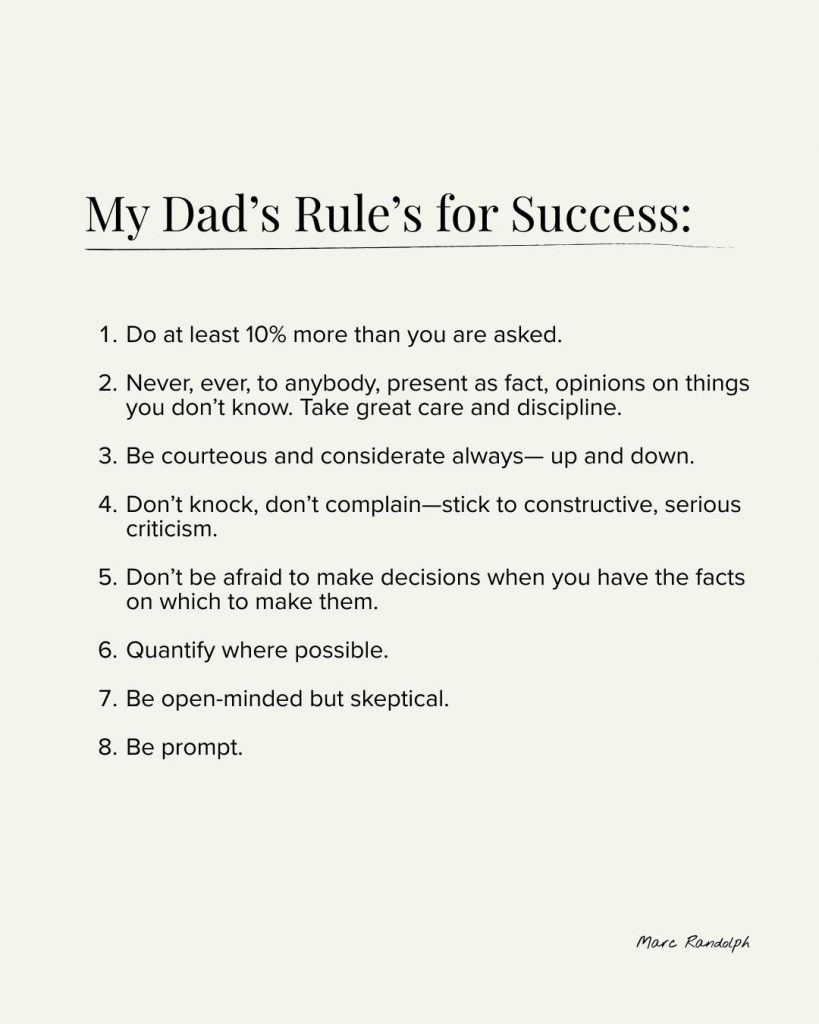
If you love startup stories or just curious about how Netflix started, be sure to read this. Not just to live through the story about the birth of Netflix but to learn in detail Marc’s dad’s rules for success. Something he had framed on his wall since before Netflix.
A bit of a digress..
The last month I’ve been working on a few hmtl, json and css scripts to build 2D arcade games that can be played online. I’ve made some real progress and I would love you guys to play, test and let me know what you think. This was just me experimenting but if you guys like it, I may keep developing some more and putting on this site. Please let me know what you think.
This game is a 50 ball straight pool game. The first one to pocket 50 balls wins. Have fun!
Leave a Reply