

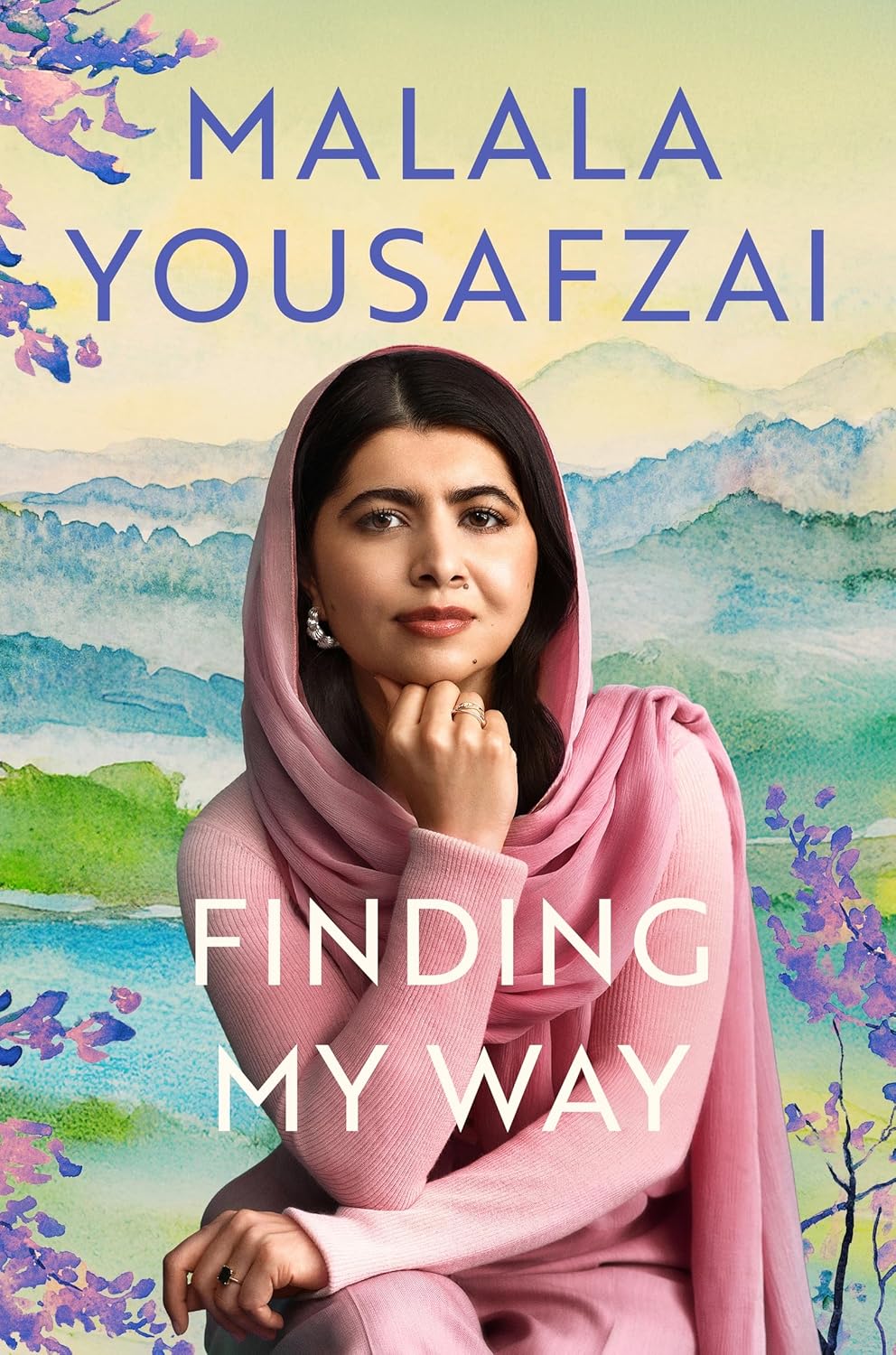
I’ve read Malala’s first book which detailed the shooting in Pakistan and the aftermath following this as well as the reasons for the shooting. It was a powerful read which I really recommend if you read this book.
Following podcasts with Malala which included On Purpose with Jay Shetty and Begin Again by Davina McCall, I was really looking forward to reading this book. I have to say, it’s not just a memoir of her life at Oxford and settling in the UK. It is a very well written book which, much like a novel, has a start, climax, twists, turns.
The book left me at peace with the progress we’re making on girls’ education. It also left me incredibly proud of Malala and her father actually, despite having no relationship with them personally. They are ambassadors of my personal heritage and culture, and I was proud of them personally.
At the same time, given events over the last few years, it did make me more aware of how much we still need to do and why it’s so important.
I promised not to be politically biased in this blog. I will whole heartedly adhere to this. But in the case of this book review and the relevance of the Taliban (which is a political party in Afghanistan) and Malala’s outreach to world leaders, it will to an extent be unavoidable.
However, I’d like to stress that this is just a review of the book and whatever you may think regarding the politics, I’m not making any direct statement and for any offense I may cause to anyone – it’s not intentional and I apologise in advance.
“No fate but what we make…”
On opening the book, Malala gives a statement in which she explains how the world effectively tried to define her and shape her journey. But this was about her defining herself and taking ownership – something which had she stayed in Pakistan, would have been taken out of her control to an extent.
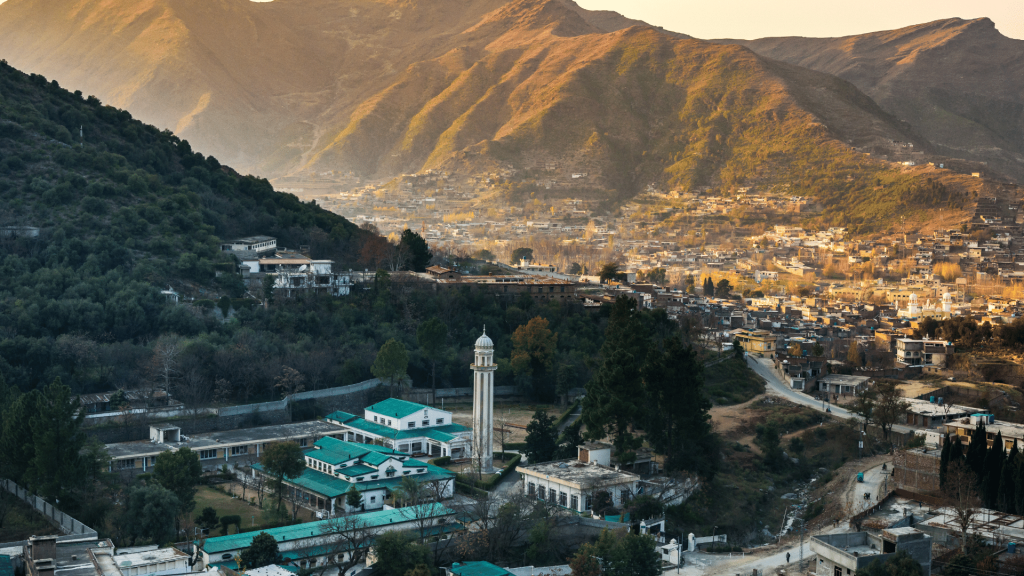
Leaving Mingora in the swat valley of Pakistan (beautiful place) and waking up in a hospital in Birmingham, she traversed through her treatment and surgeries. There were also journalists who she learnt were trying to kind of trap her and say something controversial.
She faced challenges in her relationship with her Mum. A detailed account of getting help for PTSD/panic attacks was incredibly insightful and useful I think for some readers.
A big theme of the book which I found incredibly insightful and enjoyable were on her years at Oxford. She initially struggled academically but created a small group of close friends. Student societies included the Pakistani and Hindu Society and Obs 24 – a kind of club house for the Pakistani community. .
After Oxford or towards the end of it, after about 5 years, she and her father decided to revisit their hometown in Pakistan. This was despite the reservations from the Pakistani government and Malala’s security team (who had a room in her halls of residence at Oxford).
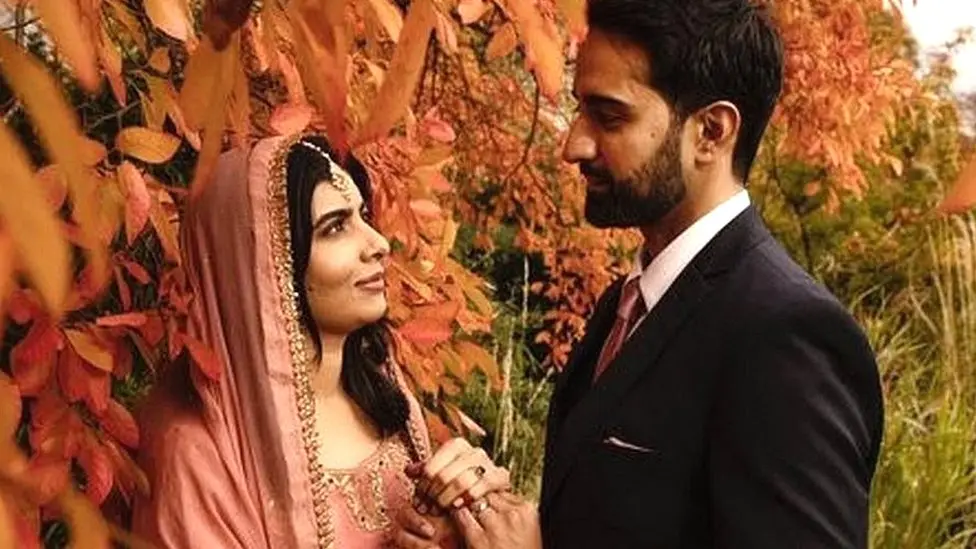
She then met Asser who is now her husband. Asser is a cricket player from Lahore and what impressed me about him is how mature he actually was.
This is probably a bit stereotypical of me and again I do apologise. I don’t mean to cause any offense and if anything this book helped to correct some of these thoughts.
I’ve grown up in a bit of a conflict with my mum’s culture at various points and I consistently thought that they were not mature enough in the way I had hoped.
I learnt from Malala however that ‘mature’ probably isn’t the right word as they have their own customs and ways of doing things which once understood, changed a bit of my perception. I don’t still agree fully with everything but I’m now more “I hear you”. I think this was a real benefit of reading the book.
Oxford University
Malala’s academic progress at Oxford wasn’t easy. This was partly due to the difference in how different the education styles were between Pakistan and the UK.
In Pakistan, teachers focused on memorisation. You didn’t need to grasp the underlying concepts as long as you could parrot the textbook. My new school expected critical thinking and analysis, a way of learning that I didn’t understand. For a while, my only solid marks were in algebra, as maths seemed to have the same set of answers everywhere in the world.
Yousafzai, Malala. Finding My Way: The intimate and revelatory new memoir on growing up, first love and mental health from the global icon (p. 12). Orion. Kindle Edition.
One thing I can tell Malala however is that no it wasn’t you, I think a lot of the time with university studies they make and sound overly complicated.
“Just speak to me like a 5 year old” – that was my motto at school/university and even now with work. For the life of me I still don’t understand this question despite having studied economics:
Explain how the time inconsistency of optimal monetary policy can lead to a stabilization bias. How would the introduction of a price path target help to address it?
Yousafzai, Malala. Finding My Way: The intimate and revelatory new memoir on growing up, first love and mental health from the global icon (p. 144). Orion. Kindle Edition.
There were also quite a lot of demands on her for activism and giving interviews halfway across the world.
Since coming into the UK Malala was the only person in her family that had any form of income. This was a huge pressure to effectively support her family whilst trying to juggle a university degree. Oxford doesn’t allow “working” during term time and it became increasingly difficult saying no until her final year,
Girls’ Education
Reading this book was quite important for me personally as a South Asian Brit. It actually made me think about my own Mum and some of what she may have gone through.
Now this is a bit personal but my own Mum at >70 years old, to this day has never had the privilege of an education. She can’t read or write in her native language. I have deep sympathies as I know that it is something she’d wish she could do.
Having read this book, I became more aware of the deeply ingrained cultural norms that have existed in times past. This resulted in millions of girls across the entire world not having access to an education.
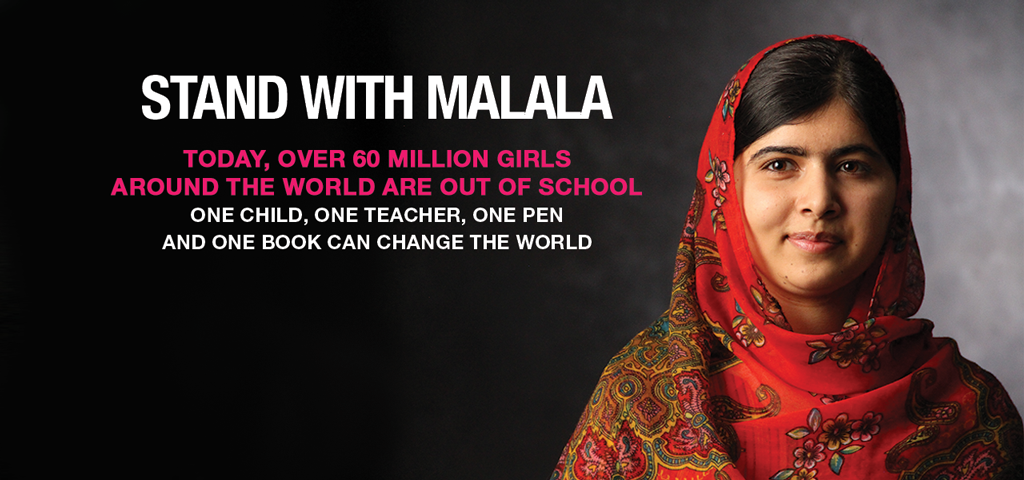
It is changing, but there are still roughly 50 million girls across the world in these same shoes as my own mother. To think that I’m actually sitting and writing a blog for you so you can read this, blows my mind! We need to do a hell of a lot more!
Ziauddin Yousafzai
I have for a long time had a deep respect for Malala’s father – Ziauddin Yousafzai. You may have seen the Ted Talk he gave:
‘Don’t ask what I did. Ask what I did not do. I did not clip her wings.’
Yousafzai, Malala. Finding My Way: The intimate and revelatory new memoir on growing up, first love and mental health from the global icon (p. 249). Orion. Kindle Edition.
But from this book, I respect him so much more because it became evident that he knew he was her father, not just her friend and confidant. And I think he took this quite seriously in protecting Malala and behaving like a father.
There was one part of the book where Malala described being like a kite for him. He would let her go high when it suited him and then pull her back down when it didn’t. I’m not sure I agree with the word ‘suited’. I think he was acting in her best interests even though sometimes Malala would have felt that it was more down to cultural norms etc.
When they were both in a taxi heading towards another surgery, Malala informed her Dad about Asser and how she now felt ready for potentially a marriage. At the end of Malala’s speech she asked him not to call and tell her mum as she would make things difficult.
Malala’s dad after listening immediately called his wife to let her know. This is just my opinion but I agree with that to be honest, and I think he was a good husband and father for doing so despite how it made Malala feel.
Afghanistan
A big current affair in the book was the Taliban coming back into power in Afghanistan.
I was not aware but Afghanistan is the only country in the world where the rates of suicide amongst women are higher than men.
In the 2 and half years after they came back into power, they had issued 80 edicts against the female population repressing their existence in public life. I agreed with Malala in how she felt the progress that the Malala Fund had made in the years prior were all shattering before her in the space of a few days. It seemed the world had gone backwards with a deep sense of betrayal from world leaders.
Afghanistan shattered the promise of progress for me. For the first time, I realised the world was not committed to fighting for the rights of women and girls. The worst moment of my life had been not a turning point, but a pause – an opportunity for leaders to act appalled that the Taliban would dare to shoot a child, throw some money into girls’ education, and then return to the business of growing economies and winning elections.
Yousafzai, Malala. Finding My Way: The intimate and revelatory new memoir on growing up, first love and mental health from the global icon (p. 267). Orion. Kindle Edition.
I really enjoyed reading this memoir and it had a happy and hopeful ending despite all the challenges still remaining.
Standing besides her grandmother’s grave in Pakistan and hearing the excitement and laughter of school girls leaving for the day in the background, it made me appreciate and realise that this wasn’t just a Nobel prize winner. This is someone who is continuing to make a real difference to girls’ education and quality of life for communities. And we all have our own part to play.
This book had a deeper meaning for me personally. It made me appreciate how different my Mum’s life and her siblings could have been, and what we still need to do to ensure we end generational trauma. Thank you Malala.
Have you read my review of That Will Never Work by Marc Randolph? A book a highly recommend and I would really appreciate if you could read the review, share and let me know what you think.
There might even be a surprise at the bottom 🙂